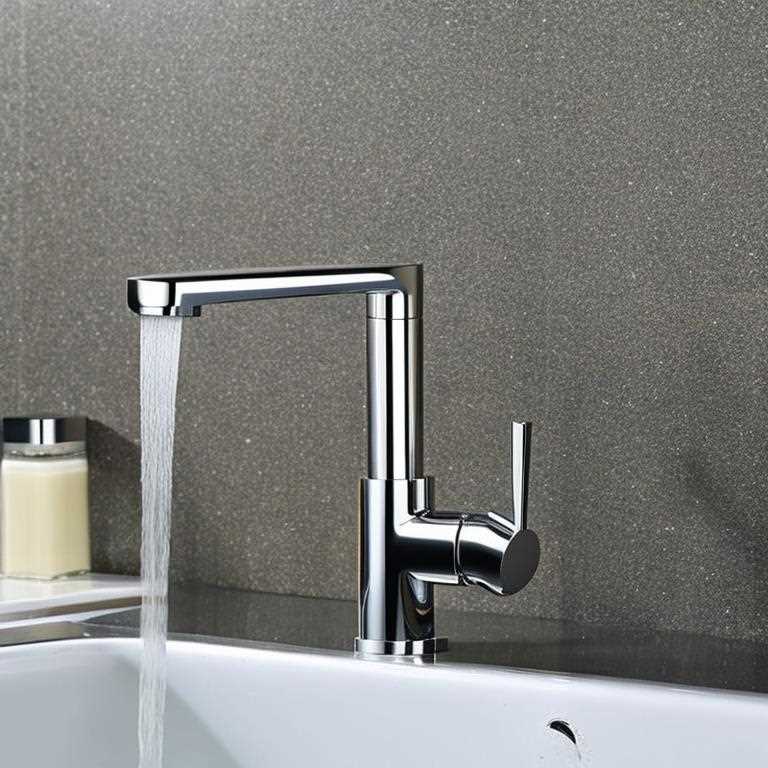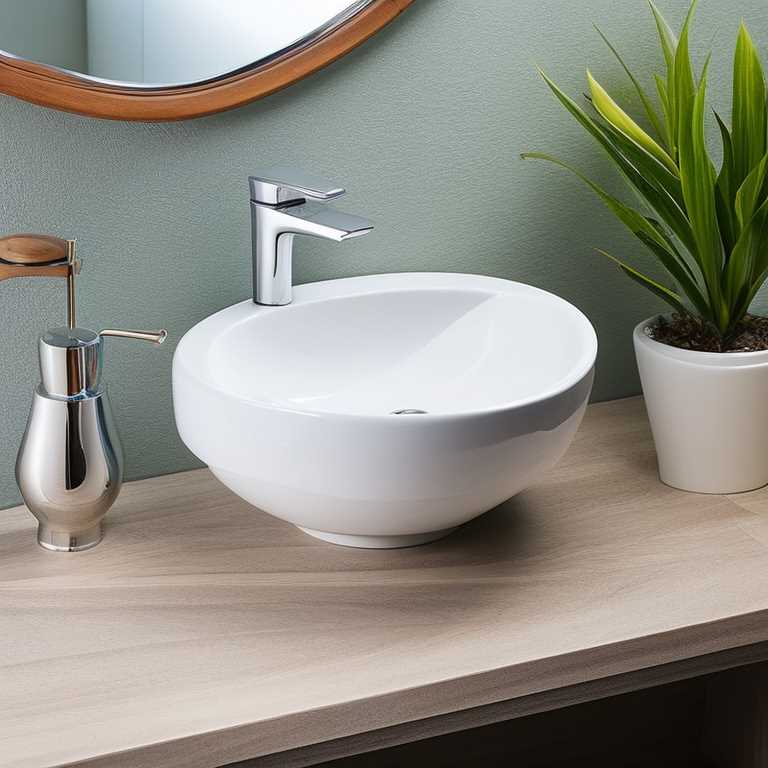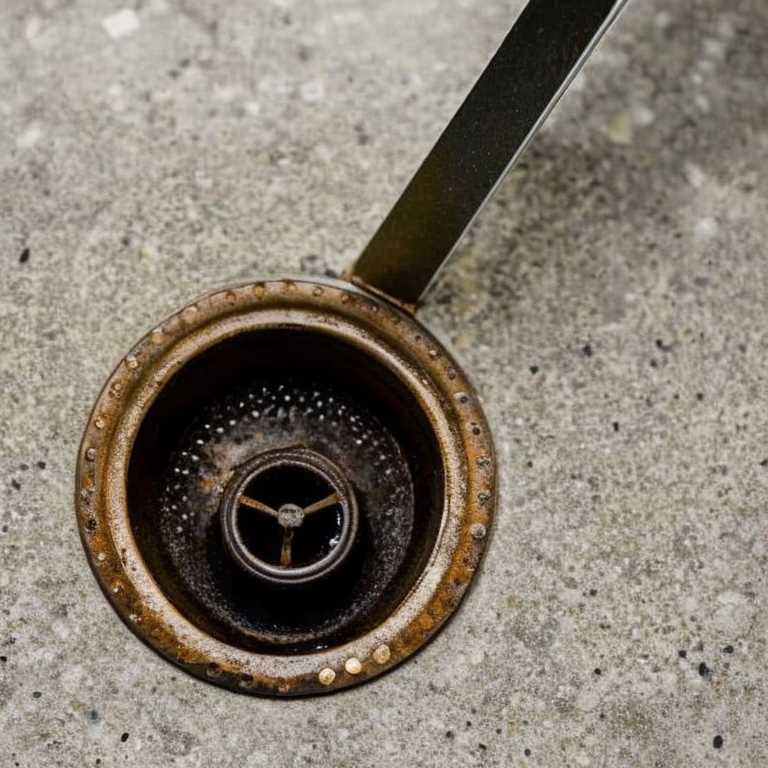
A corroded bathroom sink drain is not only unsightly but can also pose a health hazard as it can harbor harmful bacteria. Removing a corroded bathroom sink drain may seem daunting, but with the right tools and materials, it can be done with ease. In this article, we will provide you with a step-by-step guide on how to remove a corroded bathroom sink drain.
Tools and Materials Needed
Before you begin removing the corroded bathroom sink drain, you will need the following tools and materials:
– Adjustable pliers
– Screwdriver
– Bucket
– Rag or towel
– Penetrating oil
– Replacement drain flange and stopper (if necessary)
The adjustable pliers are used to grip and turn the drain flange, while the screwdriver is used to remove the screws that hold the drain flange in place. The bucket is used to catch any water that may spill out during the removal process, while the rag or towel is used to wipe up any messes. The penetrating oil is used to loosen any rust or corrosion that may be holding the drain flange in place.
Preparing the Work Area
Before you begin removing the corroded bathroom sink drain, it is important to prepare the work area. First, turn off the water supply to the sink. This can usually be done by turning off the shut-off valve located under the sink. Next, place a bucket under the sink to catch any water that may spill out during the removal process.
Removing the Drain Stopper
The first step in removing a corroded bathroom sink drain is to remove the drain stopper. To do this, locate the lever or knob on the back of the faucet that controls the stopper. Use your fingers or a screwdriver to remove any screws or clips holding the lever or knob in place. Once the lever or knob is removed, use your fingers or pliers to pull the stopper out of the drain.
Inspect the stopper for any signs of corrosion. If the stopper is corroded, it will need to be replaced. To replace the stopper, simply insert the new stopper into the drain and reattach the lever or knob.
Removing the Drain Flange
The next step in removing a corroded bathroom sink drain is to remove the drain flange. To do this, use your adjustable pliers to grip the flange and turn it counterclockwise. If the flange is stuck, apply some penetrating oil around its base and let it sit for a few minutes before trying again.
Once the flange is loose, use your screwdriver to remove any screws that are holding it in place. Carefully lift the flange out of the sink and inspect it for any signs of corrosion. If the flange is corroded, it will need to be replaced.
Cleaning the Drain
After removing the drain flange, it is important to clean out any debris or buildup that may have accumulated in the drain. Use a rag or towel to wipe away any loose debris, then use a bottle brush or other cleaning tool to scrub inside the drain.
Be sure to clean around the threads where the drain flange was attached to ensure that no debris or corrosion remains. Thoroughly rinse out the drain with water and dry it with a towel.
Replacing the Drain Flange and Stopper
Once you have cleaned out the drain, it is time to replace the drain flange and stopper (if necessary). To do this, insert the new drain flange into the sink and secure it in place with screws. Be sure to tighten the screws evenly to ensure a tight fit.
Next, insert the new stopper into the drain and reattach the lever or knob. Test the stopper to ensure that it opens and closes smoothly.
Testing the Drain
Finally, test your newly repaired bathroom sink drain by turning on the water supply and letting it run for a few minutes. Check for any leaks around the drain flange or stopper and make sure that water is draining properly.
To avoid future corrosion, be sure to clean your bathroom sink regularly and avoid using harsh chemicals that can damage metal surfaces.
Removing a corroded bathroom sink drain may seem like a daunting task, but with the right tools and materials, it can be done with ease. By following these step-by-step instructions, you can remove and replace a corroded bathroom sink drain in no time. So why not give it a try yourself? Your bathroom sink will thank you!